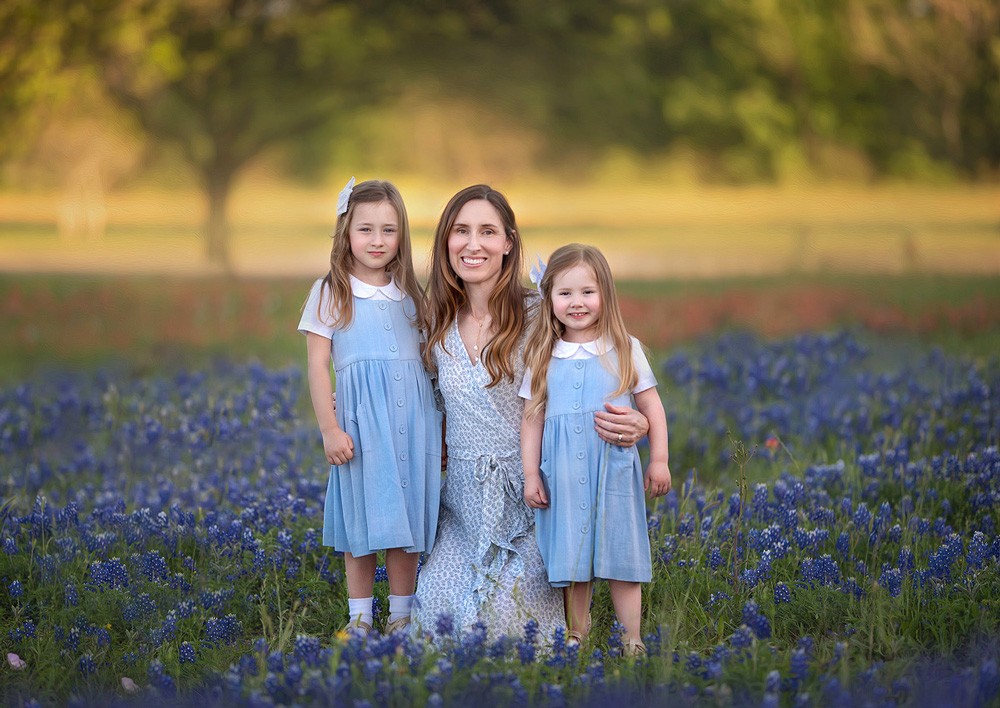
The Art of Capturing Light and Innocence
Newborn photography is one of the most delicate and rewarding forms of portrait work. Every imagery tells the story of new beginnings; the soft curve of a baby’s cheek, the tiny fingers holding a lovie, dreamy smiles in sleep, the peaceful stillness of those early days. But behind every heartwarming photo lies a critical element that defines its magic: lighting.
Lighting shapes the emotion, texture, and warmth of an image. In newborn photography, it’s what transforms a simple photo into a timeless memory. Whether you’re shooting in a cozy home studio or natural light setting, understanding how to master light is key to achieving professional, consistent results.
For photographers specializing in newborn photography in Tomball, TX, where natural light can vary dramatically with the seasons, mastering light control is not just an artistic skill—it’s a professional necessity. In this post, we’ll explore the principles of perfect lighting, practical techniques, and creative approaches to elevate every newborn baby photoshoot.
1. Why Lighting Matters So Much in Newborn Photography
Lighting isn’t just about visibility, it’s about emotion. The right light can make a newborn baby’s skin glow, highlight delicate features, and convey warmth and serenity. Poor lighting, on the other hand, can cast unflattering shadows, create harsh tones, or flatten the baby’s natural softness.
Here’s what perfect lighting achieves:
- Softness: Gentle light accentuates the baby’s smooth skin and natural innocence.
- Dimension: Proper shadows add depth without overpowering the subject.
- Mood: Warm, diffused light creates comfort and intimacy.
- Focus: Good lighting naturally draws the viewer’s eye to the baby’s face and expression.
In short, lighting is the difference between a “nice photo” and a professional portrait that parents will treasure forever.

2. Understanding Light Types: Natural vs. Strobe
When planning a newborn baby photoshoot, you’ll need to decide between natural and artificial lighting, or a mix of both. Each has unique strengths depending on your studio setup and creative goals.
Natural Light
Natural light is a popular choice for newborn photography Tomball TX sessions because of its soft, flattering quality.
Advantages:
- Produces a natural, organic look.
- Requires minimal equipment.
- Creates an emotional, lifestyle feel, perfect for in-home sessions.
Best practices:
- Use north-facing windows to achieve consistent, even lighting.
- Schedule sessions in the morning or late afternoon for gentle sunlight.
- Diffuse harsh rays using sheer curtains or reflectors to soften shadows.
Strobe Light
Studio lighting gives photographers control over every element, perfect for consistent results regardless of weather or time of day.

Advantages:
- Total control over intensity, direction, and color temperature.
- Reliable for year-round sessions.
- Enables creative light shaping using modifiers.
Recommended equipment:
- Softbox or umbrella diffusers for even, soft light.
- Continuous LED lights (avoid flashes to prevent startling the baby).
- Reflectors and light stands to adjust fill and direction.
Whether you choose natural or artificial light, the goal remains the same: to create a warm, comfortable, and baby-safe environment where the light enhances, not distracts from the newborn’s beauty.
3. Mastering the Direction of Light
Light direction plays a major role in how shadows fall and how texture appears. Understanding how to position your light source can dramatically improve your newborn portraits.
- Front Lighting
The light source faces the baby directly, reducing shadows.
Best for:
- Simple, evenly lit portraits.
- Capturing detail in soft wraps or delicate features.
Caution:
Front lighting can flatten the image, so balance it with side fill or subtle shadows for depth.
- Side Lighting
Light comes from one side (usually 45 degrees).
Why it works:
This setup adds gentle dimension, emphasizing curves and textures without being dramatic.
Pro tip:
Use a reflector opposite the light source to soften shadows and maintain balance.
- Back Lighting
The light comes from behind the baby, creating a soft halo effect.
Perfect for:
Dreamy, ethereal shots—especially with wraps or translucent fabrics.
Technique:
Meter for the baby’s skin to avoid overexposing the background and use fill light or reflectors to maintain facial detail.
4. Controlling Light Quality: Soft, Diffused, and Gentle

Newborn skin is sensitive, and harsh lighting can highlight imperfections or create unwanted contrast. The secret is diffusion—spreading the light to make it soft and even.
How to Achieve Soft Light
- Use sheer curtains for window sessions.
- Place a diffuser panel between your light source and the baby.
- Bounce light off a white wall or reflector for a natural glow.
Avoiding Harsh Shadows
Position the baby so that light wraps gently around their face. Avoid placing the light directly overhead or at sharp angles.
Remember, in newborn photography, subtlety is everything. You’re aiming for softness that mirrors the purity of the baby’s first days.
5. Setting the Scene: Lighting in Different Environments
Lighting conditions vary depending on where the newborn baby photoshoot takes place. Here’s how to adapt your setup for different scenarios:
- Home Sessions
Homes offer intimacy and storytelling opportunities but come with unpredictable lighting.
Tips:
- Scout the home in advance to identify the brightest room.
- Position the setup near large windows with soft natural light.
- Bring a portable reflector or collapsible backdrop to control ambient light.
- Studio Sessions
Studios provide control and consistency, ideal for newborn photography in Tomball TX, especially when natural light fluctuates.
Tips:
- Use one main light (softbox or umbrella) and a reflector for balanced shadows.
- Keep light at baby’s eye level or slightly above for natural results.
- Adjust color temperature to around 5600K to mimic daylight tones.
- Outdoor Sessions
While less common for newborns, outdoor shoots can be stunning when done safely.
Tips:
- Always choose shaded areas to prevent direct sunlight exposure.
- Schedule early morning or golden hour sessions.
- Bring a portable shade or canopy for baby comfort.
6. Lighting for Different Poses and Moods
Different poses call for distinct lighting approaches. Matching the light style to the pose adds variety and storytelling to your portfolio.
- Wrapped and Cozy Shots
These poses look best with soft side lighting, emphasizing textures in wraps while keeping focus on the baby’s face.
- Macro Detail Shots
Close-ups of fingers, toes, or eyelashes benefit from gentle directional light that highlights tiny textures without harshness.

- Parent and Baby Portraits
Use broad, even lighting that flatters both baby and parents. A 45-degree light angle with a large softbox helps blend tones beautifully.

- Lifestyle Moments
If you’re documenting everyday moments, like feeding or cuddling, stick with natural window light for authenticity and warmth.
- Avoiding Common Lighting Mistakes
Even experienced photographers encounter lighting challenges. Here are some pitfalls to watch out for:
- Overexposing skin: Babies have delicate complexions; always check highlights and adjust exposure accordingly.
- Mixing color temperatures: Natural light (cool) and artificial light (warm) can clash—turn off unnecessary ambient lights.
- Ignoring shadows: Shadows add realism; aim for balance, not complete elimination.
- Using direct flash: Avoid on-camera flash—it can startle newborns and create harsh reflections.
By staying mindful of these details, your newborn photography sessions will look polished, professional, and timeless.
8. Practical Lighting Setup for Every Photographer
If you’re building or refining your newborn photography setup, here’s a simple, effective lighting recipe that works in most environments:
Setup Example:
- Main Light: Large softbox at 45° to the baby’s face.
- Fill Light or Reflector: On the opposite side to soften shadows.
- Backdrop Light (optional): Gentle illumination for separation.
- White reflector or foam board: To bounce light for a glowing, natural look.
This classic setup ensures beautiful, consistent results that emphasize softness and detail—hallmarks of exceptional newborn photography Tomball TX portfolios.
Conclusion: Let Light Tell the Story
Perfect lighting is more than a technical skill—it’s the language through which emotion speaks in newborn photography. Every glow, highlight, and shadow shapes the story of new life and love.
By learning to see and control light, you empower yourself to create portraits that feel alive—images that parents will hold close for years to come. Whether you rely on soft window light or the precision of a studio setup, the goal remains constant: capture the innocence, warmth, and wonder of each newborn with care and creativity.
For photographers passionate about newborn photography in Tomball TX, mastering lighting isn’t just about taking better photos—it’s about crafting memories that radiate pure, timeless beauty.